Steven Stice, PhD CSO, Aruna Bio
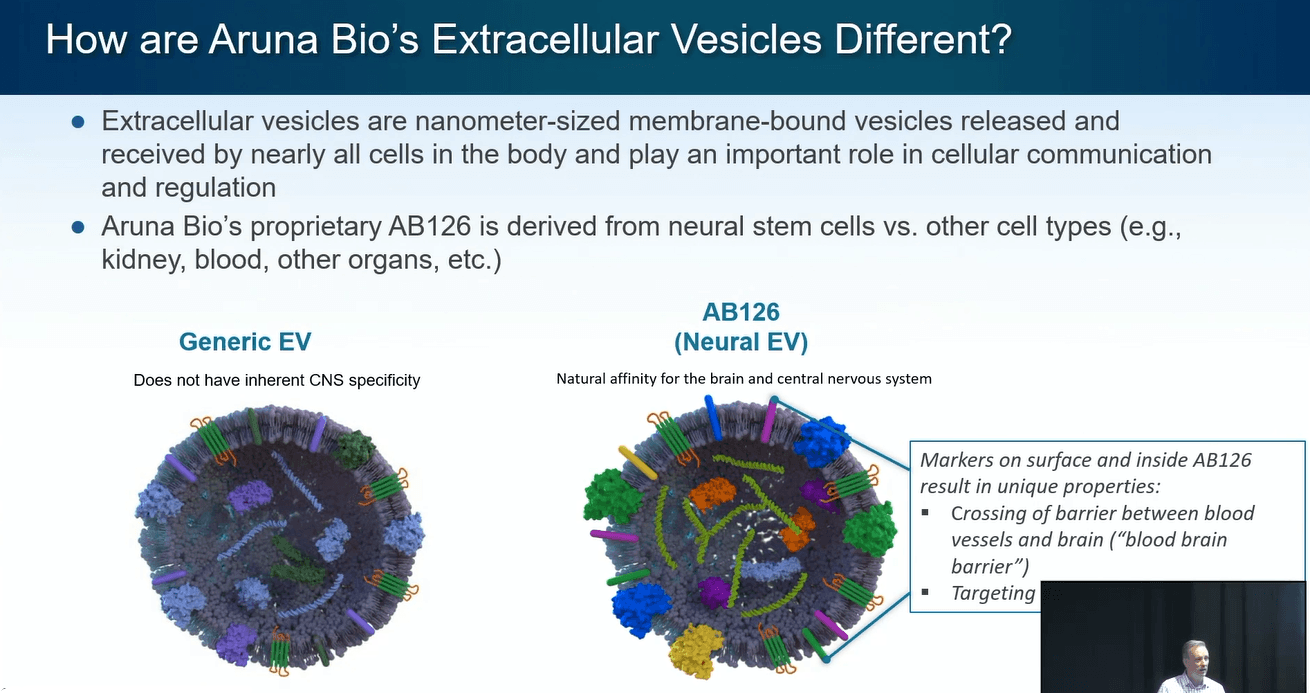
Dr. Steve Stice, Chief Scientific Officer of Aruna Bio, began his talk by defining neural extracellular vesicles (EVs) which are nanosized structures (approximately 100 nm in size) and effective candidates for delivery of cargo into the central nervous system. The basic workflow starts from growing neural stem cells in bioreactors, harvesting, collecting and concentrating the EVs to be used in several applications. Dr. Stice mentioned Aruna Bio’s proprietary neural small EVs as quite complex lipid-based nanoparticles which have complexity in terms of cell surface and internal contents. Aruna Bio’s neural sEV (AB126) neural stem-cell-based extracellular vesicle for delivery into CNS AB126 is a well-characterized complex and have anti-inflammatory, neuro-protective and neuro-regenerative properties.
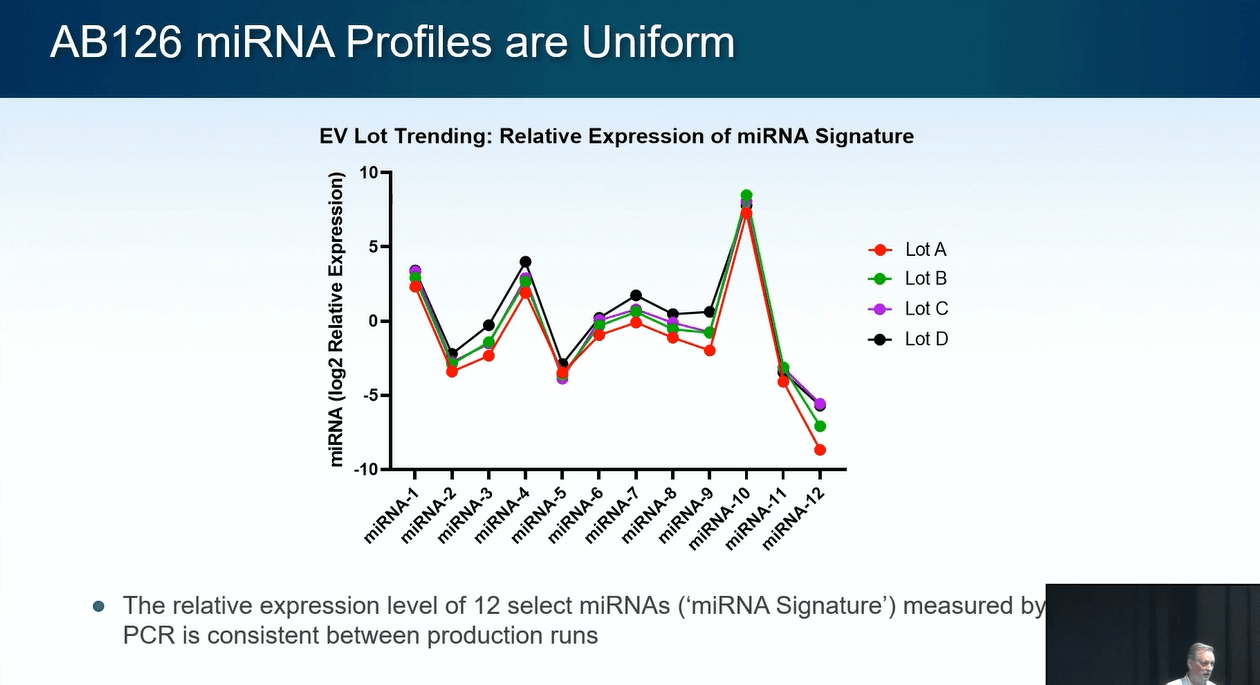
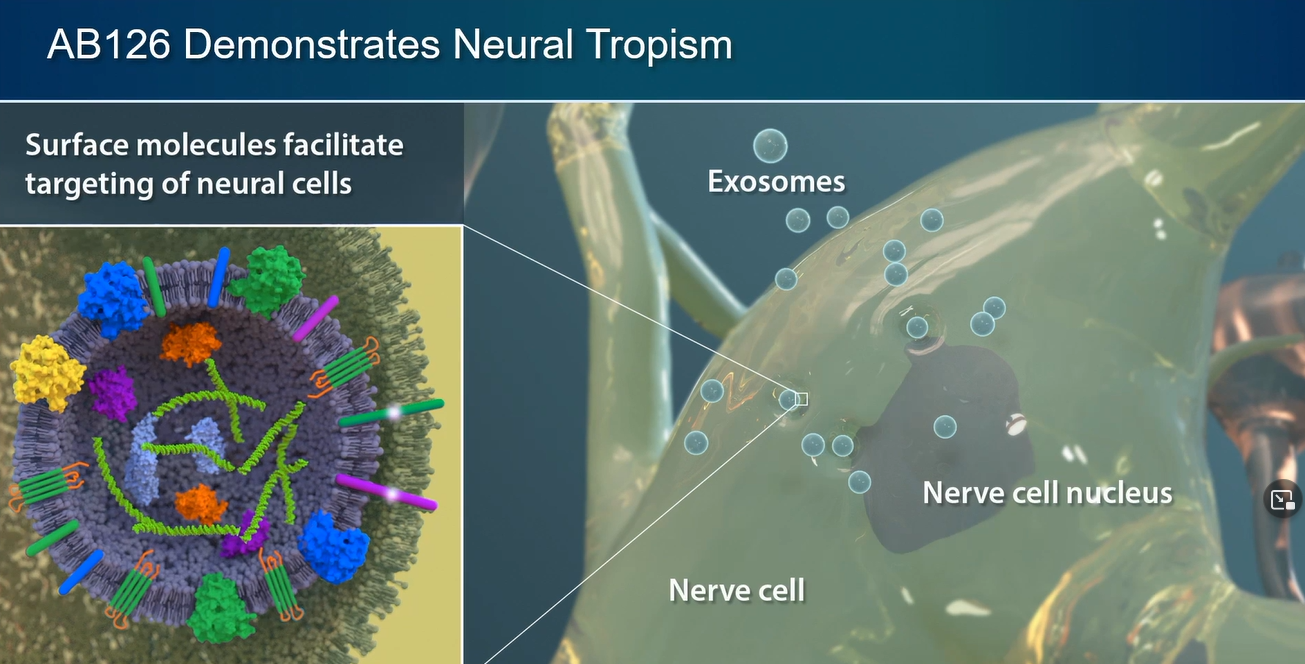
Dr. Stice continued his talk by describing the unique internal and external properties of sEV. All exosomes share some specific features like the presence of markers on their surface such as CD9 and CD63. However, they differ widely based on the cell type they are generated from. For instance, neural exosome originated from neural stem cells is remarkably different from an exosome derived from HEK293 cells. Dr. Stice stated that AB126 had some unique properties and surface molecules play a particular rose in crossing the blood brain barrier (BBB) and targeting neural tissue. To show consistent manufacturing processes, he shared data indicating that AB126 surface marker profiles were consistent among different lots. Regarding bypassing the BBB, Aurora Bio conducted experiments on multiple cell types including human, rodent, transformed or primary cell lines, and exosomes derived from nine cell types out of 10 had the ability to cross the BBB. He underlined that there is not one specific characteristic that allows them to cross the BBB by sharing the data showing that the ability of AB126 to cross the BBB was found to be almost five-fold greater than exosomes derived from HEK293 cells following injection.
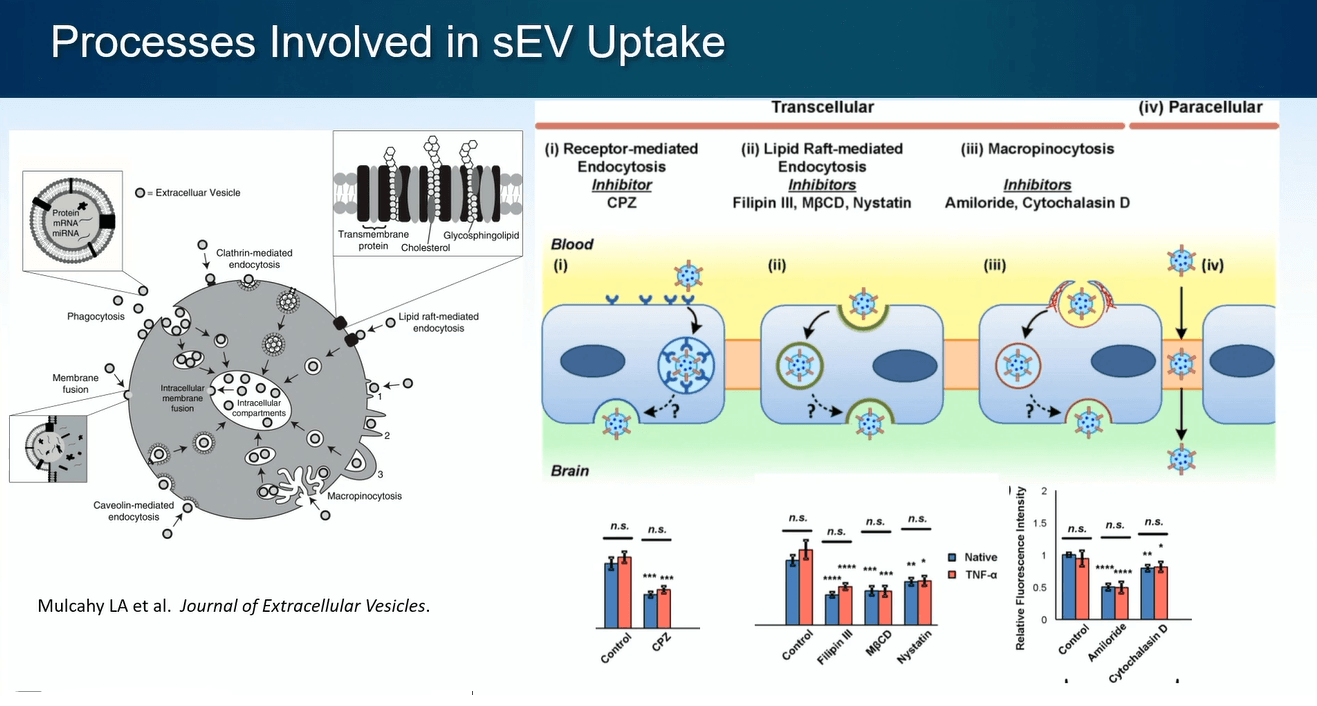
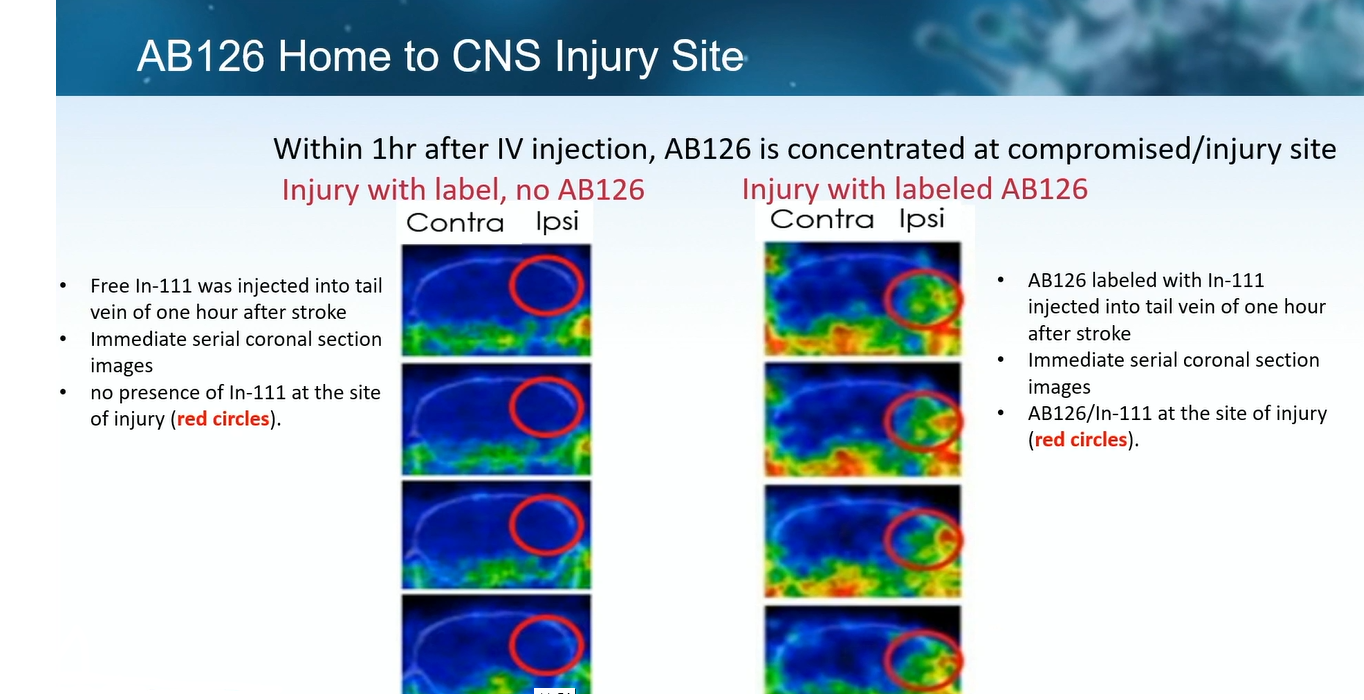
There are several mechanisms explaining the sEV uptake such as endocytosis, lipid raft mediated endocytosis, macropynocytosis, but Dr. Stice believed crossing the BBB was a receptor mediated endocytosis process. They have hypothesized that there were receptors unique to AB126 that facilitate transfer of EVs across the BBB and conducted experiments using specific reporter molecules for tracking purposes. Dr. Stice explained that upon free indium-111 injected into animals IV after neuronal injury, there was no measurable accumulation of In-111 in the colonal section images. However, when AB126 labeled with In-111 was injected 1 hour after neural injury, a significant amount of accumulation was detected in neurons.
To discover important receptor-ligand combinations help AB126 cross the BBB, they conducted a CRISPR-based genome-wide screen to knockdown each individual gene in neurovascular endothelial cells and then assessed the uptake level of AB126 into the cells. Output data indicated a decrease in relative uptake levels when certain genes were knocked-out. He concluded that there were multiple genes involved in receptor-ligand combinations that are important in crossing the BBB and in CNS delivery. Also, gene-modified sEV indicated that addition of surface proteins might enhance or reduce uptake level in in vitro models of the BBB.
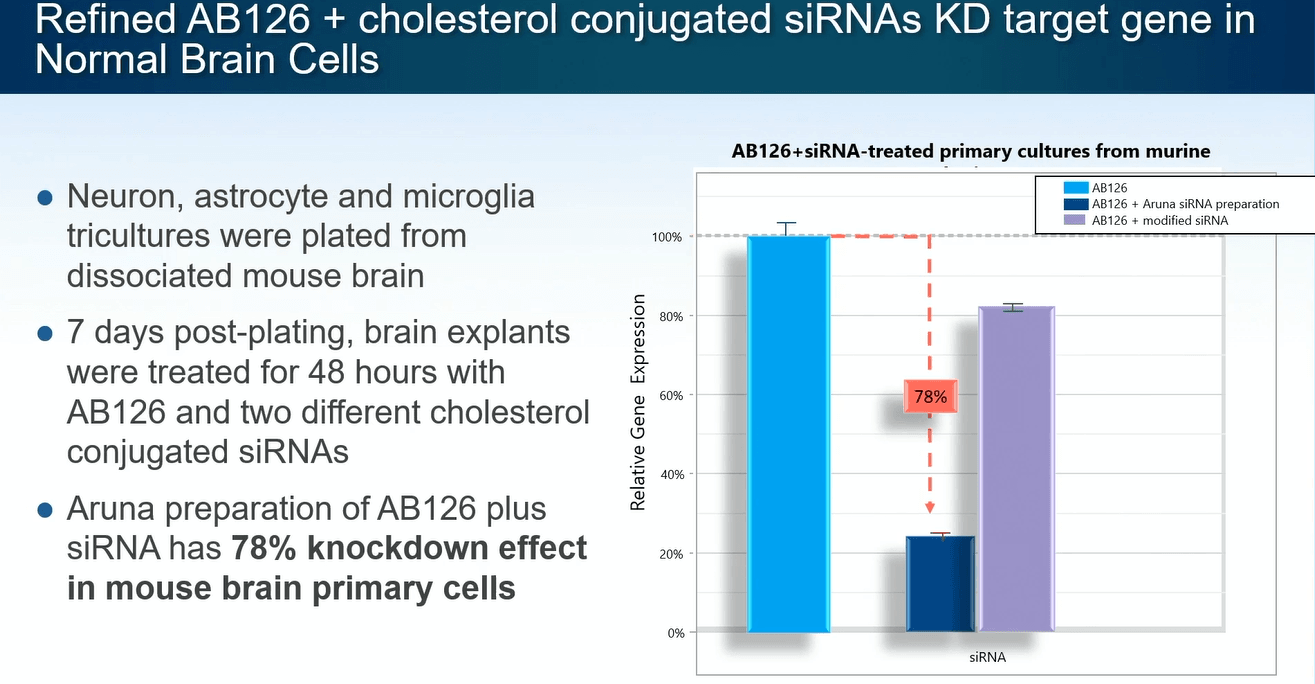
Dr. Stice briefly mentioned the methods of loading cargo into the exosomes. To load cargo such as siRNAs, siRNAs are tagged with cholesterol and co-incubated with exosomes to allow them to take up the cargo. He also explained that they could load exosomes internally by endogenously expressing the protein of interest in neural stem cells and traffic them into exosomes for release. Depending on the application, the method varies but exosomes are versatile in this manner allowing both efficient loading and delivery processes.
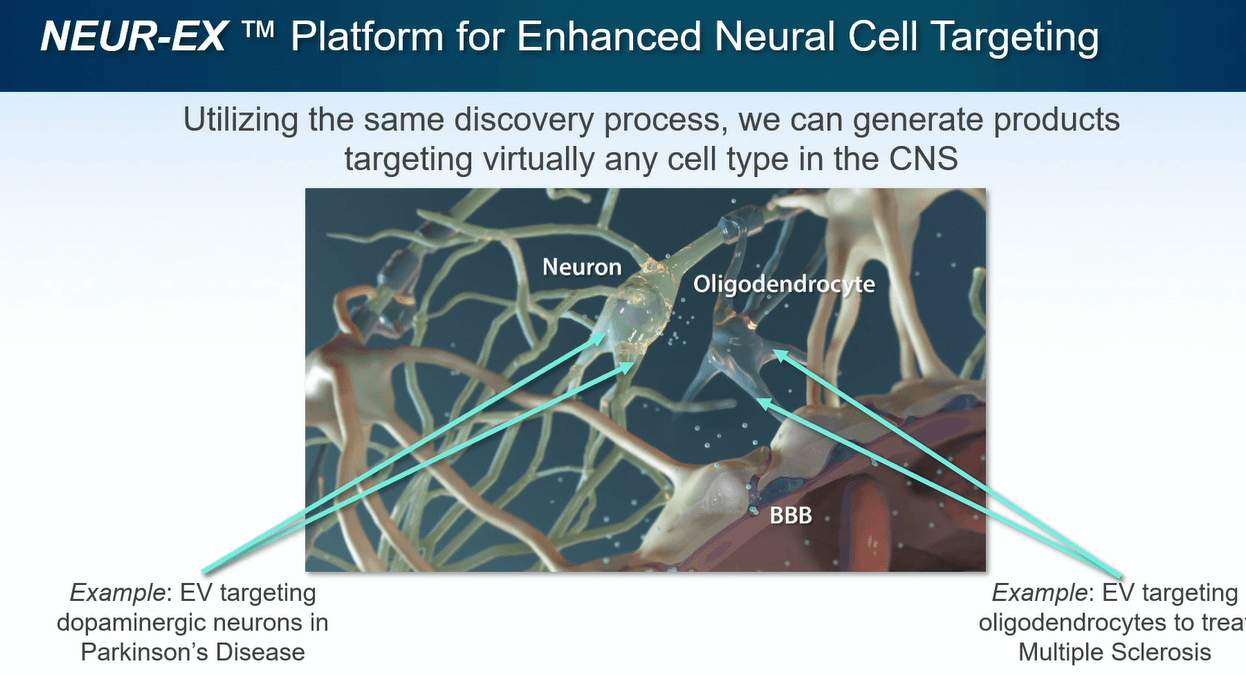
To conclude, Dr. Strice’s talk focused on the main advantages of AB126. Using a fluorescent microscope, they have demonstrated that AB126 loaded with fluorescent tagged siRNA transported siRNA specifically to neurons (91%) rather than other cells such as astrocytes or microglia. Neuron-specific localization of AB126 loaded with cargo was also demonstrated using Cy5-labeled siRNA which was dominantly localized in neurons rather than glia. Despite the neural tropism indicated in in vitro studies, in vivo assays indicated that siRNA amount was much higher in cerebellum, cortex and striatum when siRNA was delivered by AB126 rather than siRNA alone. In the light of these efficient outputs of discovery and screening process, Dr. Strice underlined the possibility of generating products targeting virtually any cell type in the CNS such as oligodendrocytes and dopaminergic neurons. He concluded his talk by making the following points: