Unlocking the black box of plant biostimulants is the intriguing title of an editorial in the academic journal Scientia Horticulturae. The paper argues for a shift in how plant biostimulants are characterised and evaluated, and for that shift to better reflect their role as functional tools in broader fertilisation strategies. Yield cannot be the only indicator of efficacy is the repeated message.
In part this revision has arrived at the right time. Biostimulants are no longer the new kid on the block. “No longer viewed as experimental, they are now seen as essential componentsof crop management,” the paper says.
But to be generally accepted as a functional tool the mode of action needs to be fully explained, argue the authors. The paper notes that this is not a requirement of some of the current regulatory schemes. The authors view this as a weakness that does not help to build credibility within a marketplace that can be sceptical of biostimulant products.
This knowledge gap is the reason behind the “black box” metaphor in the title of the paper - a black box being a system or device whose inputs and outputs are observable but whose internal workings are unknown. The authors are clear: “…credibility will not come from bold promises, but from transparent, evidence-backed claims that reflect actual agronomic results.”
Context is everything, as the saying goes. And context is how biostimulants should be framed, and ultimately evaluated argues a new editorial paper in Scientia Horticulturae.
The paper, which has current and previous members of the Biostimulants World Congress Scientific Committee among its list of authors, begins by setting out the foundational concept in how biostimulants are defined: “biostimulants are not defined by what they contain, but by what they do.”
This distinguishes them from fertilizers or pesticides. And introduces an idea of ‘claim-based’ marketing rather than a focus on composition, or the formulation. It also pushes any form of regulation of these products towards a focus on the effects, and the validationof those effects.
What was the motivationfor the article? Corresponding author Petronia Carillo, Full Professor of Agronomy at the University of Campania “Luigi Vanvitelli” Caserta Italy told New AG International:
“The article was directly inspired by the 2025 ISHS HortForum, where different perspectives on biostimulants were openly discussed. Despite the rapid growth of this sector, there is still confusion about definitions, evaluation methods, and how to build credibility. We felt it was important to bring these points together and emphasise a shift from product identity to function, and from yield alone to broader measures of resilience and plant health. Our aim was to move the conversation from
marketing narratives to a more evidence-based and functional framework.”
The point about definitions is pertinent when it comes to regulating biostimulants in the marketplace.
Despite the rapid growth of this sector, there is still confusion about definitions, evaluation methods,and how to build credibility. We felt it was important to bring these points together and emphasise a shift from product identity to function, and from yield alone to broader measures of resilience andplant health.
Regulation – wording matters Defining biostimulants by whatthey do has also passed into regulatory texts.
The internationally adopted ISO/TC 134 definition echoes this concept, describing biostimulants as "substances, microorganisms, or mixtures thereof that support a plant’s natural nutrition processes."
The paper notes that there are some subtle but potentially significant differences around the wording of definitions. In the United States, a preference has been observed for the definition “support natural nutrition processes,” unlike the EU’s “stimulate plant nutrition.” The authors feel that this subtle difference in the American definition could lead to the ability to broaden the functional targets that biostimulants can act upon and to strengthen the incentive to determine the functional mechanisms involved. In this way, regulation could better enable the search for mechanistic causes and biostimulant functions.
Yield – not the full story When considering how biostimulants are evaluated, the paper stresses that yield alone does not tell the full story. “Yield remains the standard for evaluating agricultural inputs, but it often misrepresents the value of biostimulants.”
For the authors, it is evident that plant biostimulants need broader evaluation methods since yield efficiency alone is not adequate as a single indicator.
The paper elaborates that plant biostimulant products do not directly stimulate growth like fertilizers or pesticides. “They support internal functions such as root development, antioxidant defence, and nutrient redistribution. Their effects are subtle, shaped by environmental conditions, and may not lead to immediate biomass increases.”
Some biostimulants act by ‘inducing’ or ‘priming’ stress responses and this plays a part in the yield story too. Induction refers to protective genes being up regulated before stress occurs. Priming means that stress response genes are not activated until the stress occurs, but the rapidity or amplitude of the stress response will be enhanced by the priming stimulus.
In some cases, the enhanced stress tolerance may require some energy that will reduce growth. “The trade-off means that greater resilience does not always translate intohigher yield.”
Yield remains the standard for evaluatingagricultural inputs, but it often misrepresentsthe value of biostimulants.
Spot the difference Any discussion on biostimulants needs to keep in mind the effectthey have on different crops and crop types.
The importance of timing and stress exposure is particularly relevant in perennial crops notes the paper. “When applied before events like heatwaves, biostimulants can be partially effective. But in the absence of stress, their impact may be minimal. In long-cycle crops, visible results may take months or even years, while both regulations and markets often demand quick, measurable returns,” thepaper explains.
In horticulture microbial biostimulants can be effective because farmers can adjust their timing and application based on the crop needs. “This flexibility makes it easier to optimize responses and reduce reliance on chemical inputs. In contrast, large-scale systems like maize or soybean offer fewer adjustment opportunities, making it harder to detect subtle physiological benefits.”
As the authors conclude, this reinforces the idea that yield alone is not sufficient to evaluate biostimulants. Functional traits should also become as important – root development, nutrient utilization, production of anti-stress compounds. These are important for long-term performance, rather than a short-term fix. The authors say
that physiological traits and metabolic profiles must be considered as complementary indicators. However, evaluating for the long and the short-term –what challenges will that bring?
Evaluation – a two-step process If biostimulants are doing more than boosting yield, how can this best be captured in the evaluation process over the short- and long-term?
The first stage in any evaluation process is to verify the effects of a biostimulant. This is the stage when ‘claims’ are verified.
The second step in the process is ‘the how’ – in other words, what is the mechanism by which the effect is achieved? This is where real-world conditions come in and what the paper describes as variability.
“However, many products still make bold claims based on weak or non-replicable data, leading to inconsistencies that undermine growers’ confidence. The issue is not necessarily product ineffectiveness, but rather the difficulty of verifying results under real-world conditions,” says the paper.
If a benefit is observed, the next question needs to be how was it achieved. “In most cases, approval is based solely on the demonstration of a measurable agronomic benefit, without the need to clarify the biological mechanisms involved.”
The net result says the paper is that products can enter the market based on observed outcomes, even when the underlying processes remain unclear.
“While such an approach encourages innovation and
broadens market access, it may reduce scientific transparency and make it more difficult for growers to distinguish between empirically effective products and those supported by a clear mode of action.”
Credibility gapThis notion of gaining market access without an explained mechanism leads to another consideration. The problem is referred to as he ‘regulatory gap’ in the paper, or as the paper pertinently expresses: “a blind spot in validation.”
This blind spot also means that the market cannot easily allow for further technical change: “Advanced formulations such as smart polymers and nanoparticle carriers present new challenges. These innovations enhance delivery efficiency but may fall outside the scope of current regulatory definitions.” If observed effects are the only requirement, then new products can gain market access, without little scrutiny of their modes of actions.
This leads to a risk in credibility more than anything, say the authors. They argue that validation should reflect on-farm realities that ensure both credibility and practical adoption. “A clear gap persists between scientific rigor and how products are marketed. When practical results do not align with simplified claims, confidence in individual products declines and trust in the entire category is undermined.”
The authors are clear: “Validation should include both efficacy data and an explanation of how products achieve agronomic benefits.”
This comes back to context. The authors say that the goal is not to prove universal outcomes but to show where and how biostimulants work. “Collecting context-specific evidence is crucial to understanding their function and building credibility in the sector.”
Efficacy given context One of the omnipresent difficulties in discussing how a biostimulant works is that it can involve a cocktail of components.
“Modern biostimulants act through synergistic mechanisms involving microbes, molecules, and carriers. Their efficacy depends on context, and traditional testing frameworks
may be too limited to capture their full effects.”
One area where their full effects are being more greatly appreciated is through widening scope of plant health. “The concept of plant health is evolving beyond the mere absence of disease or nutrient deficiency,” says the paper. This reflects a broader shift in agronomy, the paper notes, from resource supplementation to the management of physiological stability under variable conditions.
The authors see shifting to a functional view of plant health changes how biostimulants should be evaluated and applied. “Yield alone cannot capturetheir complexity,” the papersays succinctly.
When it comes to ‘synergistic mechanisms’, is it fair to say the science is still catching up? More from Carillo: “Biostimulants often act through multiple mechanisms at the same time (e.g., microbial interactions, bioactive molecules, nutrient dynamics, stress priming), which means their effects are often not immediately visible and can vary greatly depending on crop type, growth stage, and environmental conditions. Science is progressing quickly, but evaluation methods have not yet fully caught up with this complexity. This is why we believe validation should always connect field results with a sound biological explanation, even if the exact molecular details are not yet completely known.”
Credibility cohesion The paper concludes by returning to the central definition at the beginning of the paper –
that a biostimulant is defined by what it does rather than its composition – and the implication this has when placing products on the market.
“The credibility of biostimulants relies on coherence between claims, biological mechanisms, and supporting evidence. The main risk lies not in regulation, but in the loss of trust among farmers and researchers, a loss that is difficult and slow to recover. This is especially critical for products defined by function rather thaninput content.”
Scientific coherence does not require exhaustive molecular detail or long-term trials for every product, say the authors. “What matters is that biological plausibility is part of the narrative from the start. In a context defined by environmental variability and complex interactions, both the potential and the limits of a product must be communicated clearly. Credibility will not come from bold promises, but from transparent, evidence-backed claims that reflect actual agronomic results.”
The paper covers a lot of ground – what is the most important idea that readers should take away?
Final word from Carillo: “The key message is that yield alone is not enough to evaluate biostimulants. Their true contribution lies in improving resilience, stability, and quality under variable conditions. They are functional tools that work best when integrated into broader crop management strategies. Credibility depends on coherence: clear claims, mechanistic plausibility, and evidence that reflects real-world conditions.” ●
Citation
Editorial: Unlocking the black box of plant biostimulants
Scientia Horticulturae 350 (2025) 114281
Patrick du Jardina, Patrick H. Brown, Theodore M. DeJongb, Fabricio Cassan, Antonio Ferrante, Vasileios Fotopoulose, George A. Manganarise, Petronia Carillo (1)
(1) Corresponding author
New AG International spoke toDr Nicole Hart, CEO of biostimulant producer Afrikelp, to get her perspective on 'Unlocking the black box of plant biostimulants' (see article) and her thoughts on water-use efficiency given the themeof this issue.
1) The editorial in the academic journal Scientia Horticulture 'Unlocking the black box of plant biostimulants' sparked a conversation between us and no doubt others. What was it aboutthe paper that resonated withyou most?
As a company of scientists, this paper resonated strongly with us because it aligns with what we consistently observe in our own and external trials. Across extensive grow room, greenhouse and field studies, under a wide range of stress conditions, we have not found strong correlations between individual biostimulant ingredients and improvements in crop performance. One example is a table grape field trial that was conducted to compare two kelp biostimulants from the same seaweed species, which showed better results (improved photosynthesis, number of berries, brix, berry size, bunch weight and yield) in the vines treated with the product with a lower concentration of alginates and mannitol. We have however seen correlations between bioactivity assays and performance on the field. By bioactivity assays we mean applying a product to seeds or plants, taking measurements (number of roots, root mass, shoot height, biomass, chlorophyl concentration, photosynthesis) and then using statistics to work out the product effect compared to the control group which did not receive the product. We often see better results (especially under field and stress conditions) from products with lower concentrations of some of the more commonly tested for ingredients like alginates, which aligns with the contribution by du Jardin (2015) emphasizing the effects of products rather thantheir composition.
Regulators moving toward ingredient-based registrations risk misleading the market and encouraging product comparisons on the wrong basis. This diverts attention from field performance and risks eroding trust in these products when the products don’t deliver the value expected. In our experience, maximizing the value of a product lies in understanding and testing its bioactivity on plants and optimizing when, how and how much to dose, rather than the concentration of any single ingredient. In this regard, we strongly agree with the paper: the industry needs better alignment between science, regulation, and marketing claims. Only then can products be judged by their functional performance, rather than by the molecules that are simplestto measure.
We have however seen correlations between bioactivity assays and performance on the field.
2) Defining a biostimulant by what it does rather than what it contains is particularly significant for a seaweed-based biostimulant producer such as Afrikelp. Talk us through the issues here, touching on the limits of measurement for certain quantities of hormones.
The paper highlights that multiple components in biostimulants interact with plants to produce biological effects. Kelp extracts, for example, contain hundreds of such compounds. Many of these molecules (hormones, metabolites, and other bioactive ingredients) are fragile and prone to degradation during extraction, manufacturing, or even during sample preparationfor analysis.
We have consistently observed large variations in hormone and metabolite quantification, both between laboratories and across analytical methods. These discrepancies stem from differences in sample preparation, the low concentrations of these compounds, and the inherent sensitivity of these compounds. Even in highly controlled laboratories, where variation can be managed to 10%, most commercial biostimulants show batch-to-batch variability across the analyzed ingredients. This highlights a fundamental flaw in relying on spot sample chemical analysis of natural products. Hormone quantification also carries the added complication of potentially stricter regulations, which discourages further research in this area. For these reasons, companies and regulators often rely on larger, more robust compounds, such as alginates, mannitol, and other polysaccharides, that can be detected more consistently.
While kelp-derived polysaccharides are undoubtedly valuable in agriculture, in line with the Black Box paper, our research shows that sometimes extracts with lower concentrations of these molecules often deliver better field and bioassay responses, particularly under stress conditions.
Plants use internal biological pathways (molecular reactions involving genes, proteins, hormones, etc.) to deal with stresses like drought, heat and salinity. Many involved in stress regulation are not yet well understood, especially when it comes to the fine details of how externally applied products interact with and activate the plant’s internal defence systems. In 2006 Dr. Christopher Johnson summarised this neatly, saying that the application of biostimulants often produces responses ‘that cannot be identified simply through the functions of the individual components, or ‘the system is more than the sum of its component parts’. This supports the use of bioassays and trials, under various environmental and cultivation conditions, as a reliable way to characterize and improve use recommendations, to increase the probability of positive product performance on field.
3) The paper talked of a regulatory gap in which compliance is possible without a full understanding of how a product works. What's your view on this? Do you think regulations need to move in a particular direction?
Given the complexity of biological pathways discussed above, and the high cost of metabolomic and gene expression studies, it is unrealistic to expect a complete understanding of every mechanism by which a product functions. What is possible
is to demonstrate how a product performs across environments through statistical assays, field trials and stress trials, which can provide strong evidence to support registration.
If regulation were to rely solely on the concentration of ingredients, without requiring accompanying testing, products could reach the market with misleading claims about their potential. Instead, regulators could request evidence of the methods used to ensure bioactivity as well as trial evidence to support label claims.
Screening for phytotoxicity remains essential, and it may be appropriate to set thresholds for certain natural hormones or compounds already classified under plant protection products (PPP) which are found in biostimulants. The presence alone of these molecules should not exclude a product from the biostimulant category but setting limits could provide the safety trigger for a higher level of regulatory oversight.
4) The paper makes the simple point that the effects of biostimulants are more than just yield. Is this something that you see in Afrikelp’s various field trials, and across different crops?
Yes, we have built an extensive dataset of statistically robust trials that consistently demonstrate multiple benefits to crops and crop quality, the majority of which also include yield improvements. We always go beyond yield, measuring many additional physiological traits, crop quality, metabolic profiles, chlorophyll fluorescence, and photosynthetic performance. These layers of data show that yield is influenced by multiple interacting factors, and improving outcomes requires a managed approach.
Importantly, not all products are the same, even when they originate from the same kelp species and don’t all elicit the same crop responses. The source (fresh vs dry) as well as the extraction method can completely change the extract produced and change the on-field performance. The 4R agriculture principle (right product, right rate, right time, right way) is critical when using biostimulants in crop programmes. When these recommendations result from rigorous testing of products, repeat field performance from batch to batch and season to season improves. Some products require higher or lower concentrations, while others are more effective as foliar applications or soil applications. To achieve maximum benefit, companies must invest in science and trials and transfer that knowledge to distributors and users for improved success.
The paper’s discussion of trust and declining confidence in products highlights this gap. Too often, products are assumed to be interchangeable within crop programs or are included for generally reported benefits rather than tested benefits. Companies who underestimate the need for individual product quality and science to back up recommendations, risk reducing the trust in these types of products.
…not all products are the same, even when they originate from the same kelp species and don’t all elicit the same crop responses.
5) And moving to our theme of 'Water' - you mentioned some unpublished results that showed how your product can reduce the water requirement of a crop. Can you give us an early taster ofthose results?
In two of our recent stress studies, we simulated drought conditions by maintaining soil moisture levels below 50% of field capacity, effectively reducing plant-available water by 50%. In both trials, plants treated with the kelp biostimulant showed statistically significant increases in both fresh and dry biomass compared to untreated plants. Encouragingly, the stressed plants treated with biostimulants, performed similarly to the unstressed control group in terms of both fresh and dry biomass. With increases in irrigation costs, pressure on available water, more frequent droughts and less predictable or delayed rains, these biostimulants have the potential to mitigate the negative impacts on agriculture.
6) Value-added fertilizers are growing as a segment, with seaweed extracts being a component. How do you see this market evolving? Could we run into similar problems discussed above where there are similar claims but different components leaving the grower confused over what products to choose?
This is a particularly interesting part of the market as companies navigate producing formulations to improve claims, differentiation and product placement, whilst navigating the regulatory frameworks which slow innovation. The ideal result is crop improvements for growers with reduced application costs. The burden of applying different products at different times, particularly in lower value crops, support the strategy to move to mixed formulations. Swapping or adding a biostimulant into a formulation without testing is risky. We often see product interactions, binding of active ingredients, blocked nozzles, and reduced performance of one or all of the blended products. In a mixture each component may not be applied at the dosage or timing for optimal value to the grower. Certain biostimulants perform better in formulations than others and value-added fertilizers should be tested for compatibility and performance similarly to individual products. Biostimulants can improve nutrient use efficiency and are a fantastic combination strategy. The companies that get the formulations right and partner with quality biostimulant producers, will have a significant positive contributionto make.
The companies that get the formulations right and partner with quality biostimulant producers, will have a significant positive contribution to make..
7) When you come to the Biostimulants World Congress in December, what would you like to take from it in relation to some of the questions above?
I love collaborating with people that are genuinely passionate about our planet and food security, and I cannot wait to discuss some of these topics with other experts and scientists at the Congress. I would like to discuss the value of single ingredient thinking vs how complex products perform, with the thought leaders in this space. This latest paper from du Jardin and Brown et al. is extremely important to guide our market and regulators to evolve in line with solid scientific principles to ensure we improve the value and trust across our industry. We owe this to our growers. ●
Dr Nicole Hart,CEO of biostimulant producer Afrikelp
Kelp – Ecklonia Maxima – growing off the coast ofCape Town, South Africa
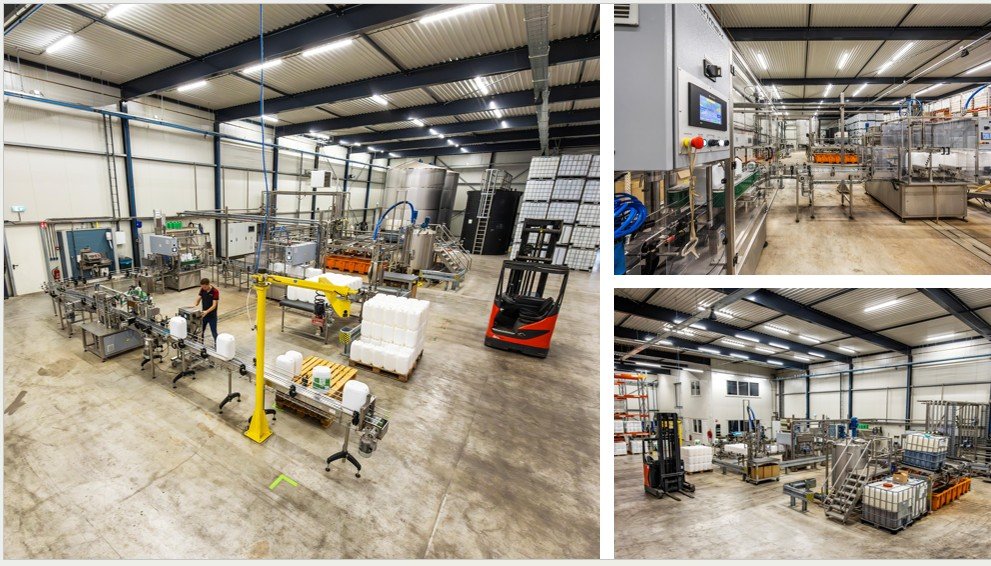
Inspired by our Water theme for this issue, New AG International looks at a partnership between two Dutch companies – one a provider of agricultural inputs and another being the largest drinking water company in The Netherlands. Their collaboration has produced a fulvic acid product that is extracted during the water purification process.
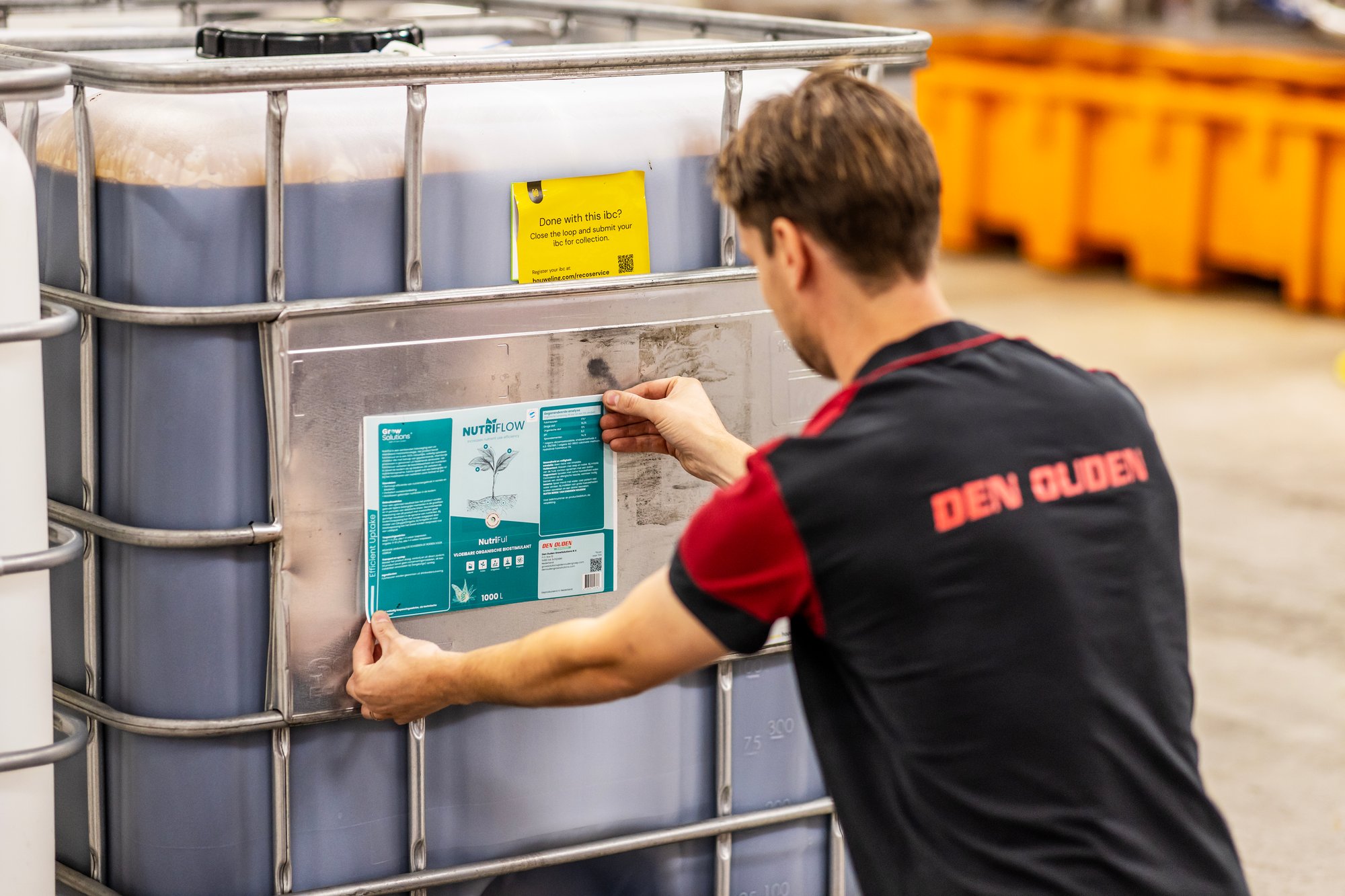
A partnership between GrowSolutions and Vitens has introduced NutriFul, a biostimulant to the agricultural market.
NutriFul contains 17% pure fulvic acid (FA), consisting of 11% hydrophobic fulvic acid – the fraction that binds nutrients strongly – and 6% hydrophilic fulvic acid. The product is typically sold as a liquid. However, the product is safe enough in its dry form – it is even used in food supplements, Sander Selten, Commercial Manager of GrowSolutions told New AG International. The product is also used in animal feed under Good Manufacturing Practices (GMP+).
How did this partnership between GrowSolutions, which is part of Den Ouden, and Vitens come about and lead to the NutriFul product? “Vitens is the largest producer of drinking water in The Netherlands and as it has an ongoing daily production they were looking for a global partner with distribution possibilities year-round,” said Selten. He stressed that as a circular and organic product it fits perfectly to the GrowSolutions portfolio with organic solutions.
The partnership between GrowSolutions and Vitens derivesa pure fulvic acid biostimulant from water treatment process.
Extraction technology Conventional FA extraction methods typically rely on alkali dissolution using sodium hydroxide (NaOH) or potassium hydroxide (KOH) followed by acid precipitation with hydrochloric acid (HCl) or nitric acid (HNO3). Vitens employs a different approach since traditional methods can introduce high concentrations of sodium and potassium ions, making it difficult to obtain pure FA.
NutriFul's production uses an ionic exchange technology from groundwater extraction plants located in areas throughout the Netherlands. This water-based process dramatically reduces environmental impact compared to traditional leonardite extraction methods.
Over 110 ground water extractions plants to produce tap water, located in ecological areas within The Netherlands, says the company.
Composition and application NutriFul contains 17% FA with only 0.1% humic acid (HA), with 19.2% dry matter content and 12% organic matter, and is fully soluble. The product has a neutral pH of 8.3 and includes trace elements such as iron and boron.
Agricultural professionals can apply NutriFul as both soil and foliar application, seed treatments, and it can be used in hydroponic systems.
The product is sold in 40 countries, and replaces an earlier product named Fulvic+ or Fulvic 25 that was produced by the same process in the same location, Selten confirmed to New AG International.
Saving on pesticides One of the properties of natural fulvic is its chelating effect. “Natural fulvic acid has a chelating effect and may support better leaf coverage,” states an article on the GrowSolutions website. “This can enhance the uptake of pesticides into plants and soil. Some growers also observe that weed control with herbicides appears more effective due to this chelating effect. In addition, the impact of fungicides on crops may be reduced, allowing plants to recover and continue growing more quickly.”
“With natural fulvic I can save almost 30% annually on crop protection products,” one farmer says inthe article.
The farmer says he achieves the same result with more than a quarter dose of pesticides less but with the addition of the fulvic product. “The annual costs for crop protection products have reduced by almost 30% per year,” said the farmer.
Biostimulant effect As well as reducing pesticide usage, natural fulvic acid can help the absorption of nutrients from liquid. Natural fulvic acid mobilizes bound nutrients through effective absorption of cations (potassium, calcium, magnesium, iron, zinc, copper) in the soil and improves root development, the article explains.
Selten says that GrowSolutions is in the process of applying for a biostimulant CE marking for marketing in the EU. The company is keen to engage with interested distributors and producers for B2B applications. ●
The comprehensive trial evaluated NutriFul's impact on nutrient use efficiency and marketable yield in onion crops (Allium cepa). Results showed that three foliar applications of NutriFul at 1L/ha during bulb development delivered:
4% increase in marketable yield, translating to an additional 2.5 metric tons per hectare
Improved size distribution with more bulbs in the commercially valuable 50-60mm and 60-70mm size ranges
Enhanced nitrogen use efficiency, producing an extra 16kg of onions for the same nitrogen application
Strong return on investment of €580/ha, with minimal product costs of €30-50/ha
The trial utilized a randomized block design with four repetitions, comparing standard fertilization practices (N=155 kg/ha, K₂O=90 kg/ha) against the same regime supplemented with NutriFul applications.
Researchers attribute the yield improvements to fulvic acids' known benefits for photosynthesis and plant metabolism. The biostimulant functions as a natural chelator, enhancing nutrient uptake through both rootsand leaves while mobilizing bound nutrients like phosphate, calcium, and iron. ●
At GrowSolutions, we believe that a healthy soil is the foundationfor resilient plants and future-proof cultivation. By improving soil biology, soil structure, and nutrient balance, we have been helping growers for over 30 years to make their plants stronger and more resilient. With our approach, we focus on naturally strengthening both soil and plant, reducing dependency on chemicals while ensuring sustainable yields.
We have developed this approach into a wide range of soil improvers, organic fertilisers, and biostimulants that are divided into five categories: Soil Health, Optimize Root Zone, Nutrients, Efficient Uptake, and Plant Resilience. These categories are structured around the natural growth stages of the plant and support the interaction between plant and soil throughout each phase. In this way, we contribute to sustainable agriculture where healthy crops, soil restoration, and long-term yields go hand in hand, benefiting today’s growers and generations to come.
Phytosterols, long recognized by the scientific community, are natural compounds found in plants. Elicit Plant has become the first company to unlock their agricultural potential at scale. Acting as molecular signals, phytosterols trigger internal resistance mechanisms that enhance resilience against abiotic stress, particularly water scarcity.
“Abiotic stresses such as water scarcity account for more than 70 percent of global yield losses – far greater than pests or disease,” says Jean-François Déchant, CEO. “Our patented phytosterol-based solutions allow crops to consume water more efficiently, securing yields and safeguarding farm revenues under uncertain conditions. That’s not just agronomic value – it’s economic security for farmers.”
Jean-François Déchant, CEO, Elicit Plant
Backed by more than 1,000 field trials and commercial operations now spanning 16 countries across three continents, Elicit Plant is accelerating its international rollout with dedicated products for staple crops including maize, wheat, soybean, sunflower, and barley. The firm’s EliTerra technology has already secured adoption across Europe, Brazil, and the United States, where it is present in 20 states.
Elicit Plant’s products are foliar-applied, easy to use, and designed to fit seamlessly into existing farm practices. In rainfed agriculture, the technology helps secure yields despite water stress. In irrigated systems, it enables measurable water and energy savings, lowering operating costs for farmers. The ability to deliver both resilience and efficiency has made the company’s offering attractive to growers facing rising input prices and increasing regulatory pressure around resource use.
“In non-irrigated systems, our products help secure yields despite periods of water scarcity,” notes Déchant. “In irrigated systems, farmers can achieve water and energy savings, lowering costs of irrigation and electricity while maintaining performance.”
Elicit Plant has taken an unusual path in the ag tech space: moving rapidly from scientific discovery to large-scale market adoption. Its foliar-applied products are designed for easy integration into existing farm practices, a feature that has helped accelerate uptake across diverse regions and cropping systems.
“For each crop, we have developed dedicated solutions,” says Déchant. “These products have been validated through extensive trials in all the regions where we obtained regulatory approvals, including Europe, Ukraine, the USA, and Brazil.”
Climate tech meets agribusiness The company’s proposition sits at the intersection of two high-growth global markets: sustainable agriculture and climate resilience technologies. As governments and agribusinesses push for solutions that balance productivity with reduced resource intensity, technologies like Elicit Plant’s are gaining attention not just from farmers, but also from investors and strategic partners.
“Water is the most limiting factor in crop production,” Déchant emphasizes. “By improving water use efficiency, we address the single greatest source of global yield losses, while giving farmers a pathway to sustainable profitability. That’s a scalable solution with impact well beyond agriculture – it touches food security and climate adaptation.”
With commercial presence in 16 countries and a product pipeline tailored to additional crops, Elicit Plant is preparing to deepen its footprint in key agricultural markets. Expansion efforts are supported by regulatory approvals already secured in the EU, Ukraine, the U.S., and Brazil, alongside strong demand signals from growers contending with climate-induced risks.
Looking forward, the company’s growth trajectory aligns with investor interest in technologies that can deliver measurable returns for farmers while addressing systemic global challenges.
“Water scarcity is one of the greatest challenges facing global agriculture,” Déchant concludes. “By reducing crops’ water consumption and enhancing resilience, we are enabling farmers to adapt profitably
to climate uncertainty. Our visionis to drive a global transitiontoward more sustainable andsecure agriculture.” ●
Elicit Plant is accelerating its international rollout with dedicated products for staple crops including maize, wheat, soybean, sunflower, and barley.
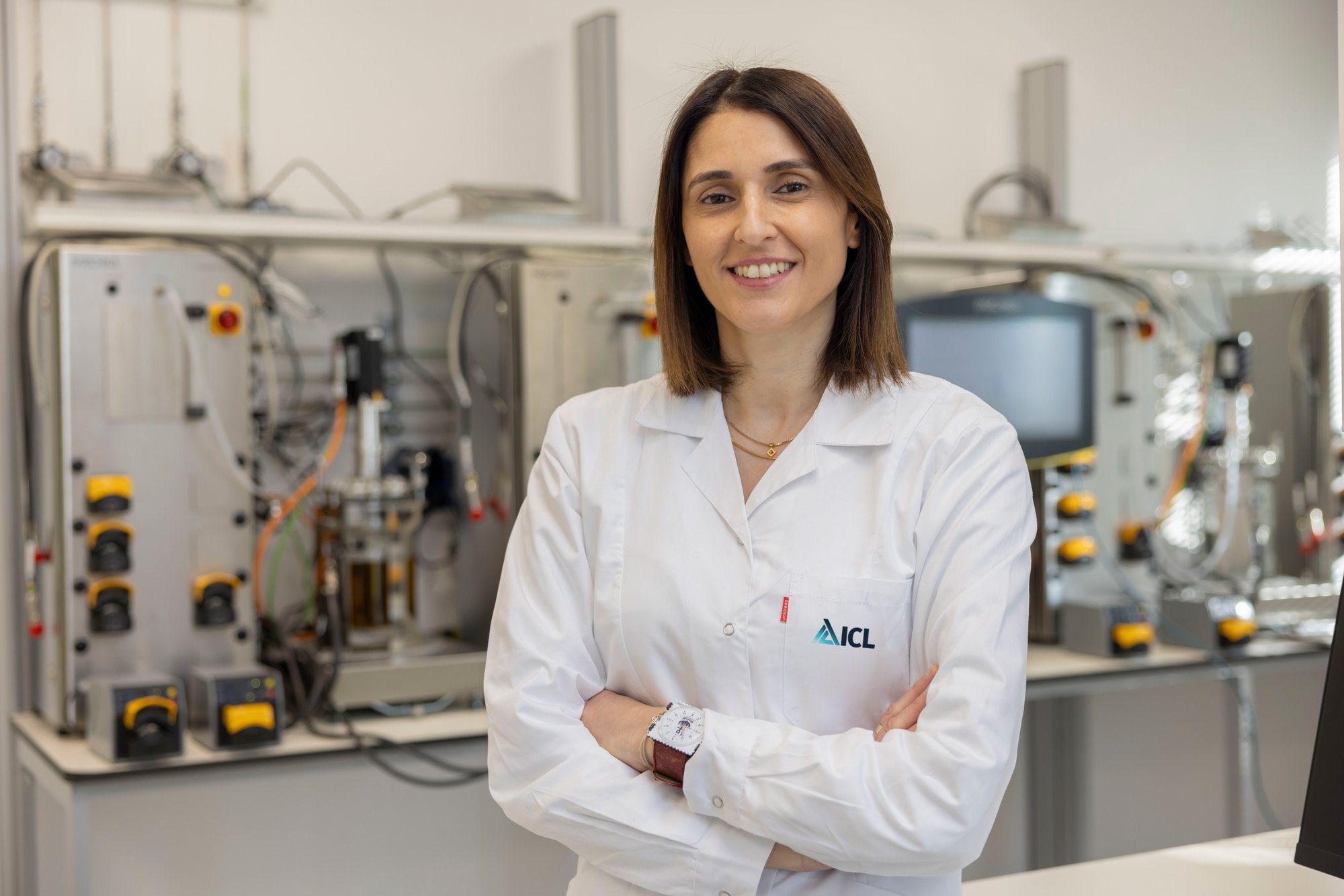
Drought is affecting many more areas than in the past, limiting farmers’ ability to grow productive, healthy crops. However, biostimulants could provide the answer.Specialists with ICL Growing Solutions explain.
Once considered snake oil and magic, biostimulants have become increasingly mainstream. And next generation technology is making them ever more reliable and effective. At a time when crops need to be able to cope with increasingly frequent drought conditions, using biostimulants can help improve their resilience to stress, boost soil health, and increase nutrient uptake. So how do they work?
“In essence, biostimulants are natural or synthetic substances or micro-organisms which, when applied to plants or soils, stimulate natural processes to improve nutrient uptake, stress tolerance, and overall plant health,” explains Dr. Eduardo Lopes Cancellier, global biostimulant portfolio agronomist at ICL Growing Solutions.
“As climate change continues to pose significant challenges to agriculture, biostimulants are an emerging tool to enhance climate resilience. They help plants withstand abiotic stresses like drought, extreme temperatures, and high soil salinity by strengthening plants’ natural defence mechanisms and modulating metabolic pathways of stress response.”
Traditional first and second generation biostimulants are already proven in the market. These are typically mixtures containing amino acids and other active ingredients which enhance the production of stress-related proteins and antioxidants. These protect plant cells from damage caused by environmental stressors,says Cancellier.
“Other products improve root development and soil moisture retention, enabling plants to maintain growth and productivity even under adverse conditions. This all makes crops more resilient to the unpredictable and extreme weather conditions associated withclimate change.”
As scientific understanding of plants and their interaction with the soil rhizosphere improves, so too does the development of newer, more powerful biostimulants. “Many organisms in nature produce a wide range of exudates, including organic acids, amino acids, polysaccharides and others,” explains Cancellier. “These act as powerful tools which modulate plant physiological responses, promote nutrient uptake, and stimulate growth.
“Additionally, they play a crucial role in influencing soil’s chemical and physical properties, like nutrient availability and soil aggregation and structure, making the environment more conducive to plant health and productivity.”
Science has proven that a multitude of naturally produced molecules have the capacity to modulate plant growth. They are produced as part of the metabolism of many species, and bring many potential benefits. “This is how plants interact and communicate with the environment and other living beings. Some of these molecules induce unique physiological activities in plants, like enhancing tolerance to abiotic stress.”
The agricultural sector is borrowing heavily from developments in the pharmaceutical industry, and is adopting cutting-edge technology to speed up product development, says Dr. Elinor Erez, vice president of research and development at ICL Growing Solutions. “We now use artificial intelligence (AI) to screen bacteria or metabolites for particular phenotypes that we’re looking for, so we can select those most likely to deliver what we need.”
This massively speeds up the research process – so, for example, the AI identifies bacteria that are most likely to cope in drought conditions, the laboratory grows them under extreme conditions, and then tests the phenotype of the next generation to see what has changed. “Nature does what it does and we cherry pick those that survive.”
But it’s not just about bacteria.“We have an unlimited number of molecules that exist in nature, and we need to discover their potential in agricultural practice.” ICL has access to a massive, and growing, library of molecules and metabolites, which can be quickly screened using AIand then further developed.
“We can grow plants with less water to see what kinds of molecules they secrete, and then use them to help other plants to deal with drought,” notes Erez. “The AI models predict the efficacy in the field, giving us a much higher success rate more quickly – it really shortens the whole process to field trials.”
During production, from a vast amount of substances, ICL’s molecular distillation technology ensures that only the most effective and beneficial compounds are utilised as part of its biostimulants formulation, leading to superior plant growth, resilience, and overall agricultural success, she adds.
In terms of its impact on the plant, Metabolite Technology stimulates the plant’s transcriptome, where it manufactures enzymes and proteins to modulate its metabolic activity. In essence, it activates the plant’s antioxidant metabolism, and the antioxidants, in turn, increase the plant’s ability to tolerate stress.
“Transcriptomics is one of the most advanced tools in plant biology,” notes Cancellier. “This technique enables us to identify which genes are activated or deactivated following the application of our Metabolite Technology.”
In trials, plants activated 173 genes to adapt to suboptimal conditions. When treated with Metabolite Technology, they activated 367 genes, resulting in the production of an additional 203 proteins, including stress-responsive enzymes like catalases and peroxidases. “This demonstrates how the technology enhanced the plants’ tolerance to abiotic stress, equipping them with a wider arsenal of tools to fight against adverse conditions.”
So what kind of crops and conditions can such products work in? In Europe, this summer has been one of the driest and hottest on record, which has the potential to significantly damage citrus crops, causing leaf scorch and fruit abortion. A biostimulant like BEOZ Garnet contains a precursor composition of amino acids with greater tolerance to heat and water stress. Using Metabolite Technology it induces systemic resistance in plants against heat and high temperatures, boosting vegetative growth and yield. In this case, several foliar applications starting before the stress is the best management.
Climate change is driving many of the latest developments and investments, says Erez. “In the past three years we’ve invested a lot in
next generation products – dealing with resilience to stress.
“Our climate is changing, with more extremes – areas in Brazil that were considered tropical with heavy rain events are now considered dry. Plants have to deal with different stresses, and we’re developing products to improve their resilience, whether that’s to high UV radiation, drought, or salinity, for example.”
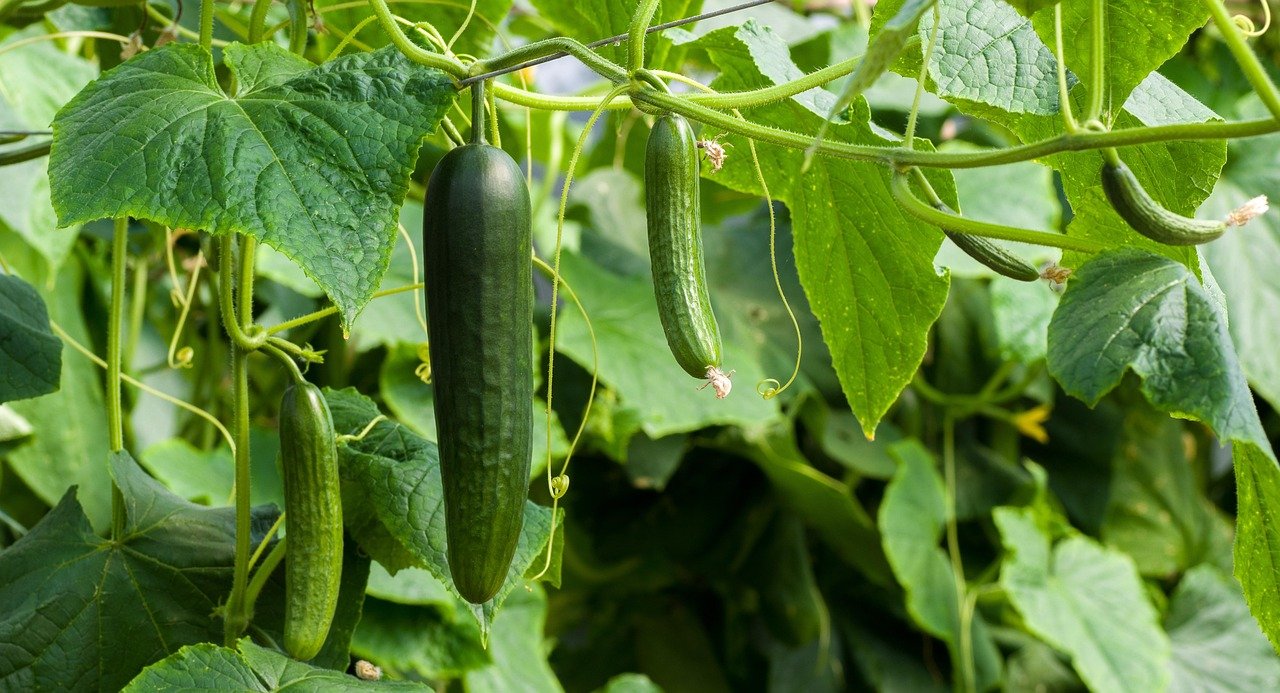
Although salinity mostly affects crops like cucumbers and bell peppers, it can also damage vineyards and stone fruit like peaches and nectarines. “Cucumbers are particularly sensitive to salinity, whereas tomatoes, for example, are more resistant,” says Cancellier. “It limits root growth, affecting their ability to uptake water and nutrients, which then impacts on their growth, yield, and quality.”
Products like BEOZ Ivory contain bioactive calcium, which changes the chemical environment around the roots. A potent complex of complexing agents ensures high calcium activity at root surface, even at high pHs. This promotes calcium uptake by the plant, with associated chemical and physiological benefits. It can be applied from the early season right through until harvest through fertigation to the root zone.
“This high performance, fast acting solution corrects calcium deficiencies and improves soil salinity tolerance, promoting sodium replacement and displacement from the rhizosphere,” he explains. Improving the uptake of calcium into the fruit has subsequent benefits to its final quality. In addition, the formula contains a high concentration of fulvic acids, which increases nutrient absorption.
Fulvic acids are naturally found in humus, derived from decomposed organic matter; their small molecular size makes them easily absorbed by the plant, where they bind to nutrients, making them more available for plant use. They also feed beneficial microbes in the soil, fostering a healthier soil ecosystem.
Fulvic acids are also included in BEOZ Diamond, which activates the soil microbiome and enhances root development. The deeper and wider the rooting of any given plant, the easier its access to water and nutrients in the soil. In addition, the mechanical effect of greater root mass and increased microbial activity, improves the soil’s structure, organic matter and water holding capacity. “At a time when farmers and crops face such a range of challenges, it’s important to use every tool available to maximise farm returns.”
When it comes to feeding the world in a changing climate, resilience and ongoing sustainability are key, says Erez. Although water collection, storage and irrigation technology are all improving, helping plants to become more resilient and make better use of available resources is a vital part of that sustainable goal.
“Today we understand that bacteria have a huge effect on our health and it’s the same with plants,” she adds. “There is a tight synergy between micro-organisms and plant health, and we can use that to help them cope with increasingly challenging growing environments.”
Agriculture has changed massively over the years, through the eras of applying soil physics, then chemistry, and most recently biology to farming systems. “Looking ahead it’s about bringing them all together, and developing new molecules to benefit plant physiology, which is essential to improve crop productivity.”
In addition, AI will improve decision-making when it comes to crop management, with more accurate diagnostics improving the choice and timing of treatments, says Cancellier. “Today, biostimulants are quite generic, but they are rapidly becoming more specific and targeted. The future is specialisation. We are fine tuning and perfecting the technologies, and the future is extremely exciting.”
As the sector develops, so too, does the regulation around it – which is good news for farmers, he adds. “The potential for biostimulants to revolutionise farming is immense. Regulation will help ensure product safety and efficacy, with rigorous testing and evidence-backed claims. That is the only way to develop advanced products which align with both farmers’ and environmental demands.” ●
Dr. Eduardo Lopes Cancellier, global biostimulantportfolio agronomist,ICL Growing Solutions
Dr. Elinor Erez, vice president of research and developmentat ICL Growing Solutions
Transcriptomics is one of the mostadvanced tools in plant biology
Cucumbers are particularly sensitiveto salinity, whereas tomatoes, for example, are more resistant
UK-based SugaROx has secured £1million (approx. US$1.355 million) in additional funding following its latest seed round extension.
£400,000 of the strategic investment has been secured from The Mosaic Company, alongside continued backing from existing UK-based angel investors and sustainable growth-focused investment funds the UK Innovation & Science Seed Fund (managed by Future Planet Capital) and Regenerate Ventures, which contributed a further £600,000.
The £1 million extension follows a £2.4 million grant awarded from the UK’s national innovation agency, Innovate UK, to upscale manufacturing of SugaROx’s first active ingredient Trehalose-6-Phosphate (T6P).
SugaROx says its T6P biostimulant boosts the yields and resilience of crops by inhibiting SnRK1, an enzyme that signals energy scarcity in the plant. Safety tests completed in early 2024 confirmed a promising regulatory outlook for the proprietary T6P, and led potential go-to-market partners to request samples forfield trials.
SugaROx is working to launch its T6P wheat biostimulant in the UK market in 2027 and in the EU in 2028. This year, the company launched trials in soybean and maize with a view to enter the U.S. and Brazilian markets shortly after.
“In response to increasing demand for product samples, we decided to accelerate our manufacturing timeline, fast-tracking the shift from in-house lab production to a pilot facility,” said Mark Robbins, SugaROx CEO. “The Innovate UK grant and additional investment allows us to do that.”
Explaining the benefits of Mosaic’s investment, Dr. Cara Griffiths, SugaROx’s chief technical officer and co-founder, added: “With Mosaic we gain access to an established network of trial sites for validation of our first product in the U.S. at scale. Mosaic will also provide us with access to TruResponse, a digital platform to visualize field results, which will be extremely valuable for our research.”
SugaROx is a spin-out from Rothamsted Research and the University of Oxford. ●
Belgian-based Fyteko has announced an exclusive distribution agreement with Kwizda Agro to bring its NURSPRAY HC crop biostimulant to Austrian, Hungarian and Romanian farmers.
NURSPRAY HC is a foliar spray comprising a naturally occurring signal molecule that Fyteko says boosts crop resilience and enhances crop recovery when under stress.
The formula, based on the hydroxycinnamic oligomers found in all plant cells, activates plants’ internal tolerance mechanism towards abiotic stresses such as drought and high temperatures.
Fyteko notes the collaboration expands its footprint in Europe, and enables the companies to provide Austrian, Hungarian and Romanian farmers with a bio-based biostimulant to help mitigate abiotic stresses in arable and specialty crops.
"Our products have already impressed growers in many European countries; it is satisfying to see how new partners such as Kwizda Agro are keen to use our biosolutions and are aligned with our mission to get a more sustainable agriculture, " said Guillaume WEGRIA, CEO and co-founder of Fyteko.
Fyteko was founded in 2014. Its enzymatic synthesis technology is based on patented biosourced molecules (oligomers of hydroxycinnamic acids, initially extracted from plants). This technology makes it possible to produce biostimulants, biological optimizers for herbicides and biopesticide molecules. ●
Supplier of liquid fertilizers, seed treatments and biostimulants, RLF AgTech Ltd. has signed a distribution agreement withNutrien Ag Solutions for the Australian market.
The deal gives RLF AgTech access to more than 700 retail outlets across Australia’s agricultural regions, and covers Nutrien’s corporate branches and independent member outlets, including combined rural traders (CRT) stores.
Stuart Moncrieff, Nutrien’s procurement manager for specialty fertilizers, emphasized the strategic alignment: “At Nutrien Ag Solutions, we are committed to delivering cutting-edge innovations in plant nutrition and soil health in efforts to support our growers’ success. We’re pleased to welcome RLF AgTech as a valued supplier.”
The partnership will distribute RLF’s liquid fertilizers, seed treatments and biostimulants through Nutrien’s extensive network, with progressive rollout expected in coming months.
Gavin Ball, RLF’s acting managing director, highlighted the collaborative approach: “For RLF, this is about more than just distribution – it is about working together with Nutrien to ensure our products are well supported on the ground, and that growers have confidence in the results and value we deliver.”
In announcing the deal, RLF AgTech said the agreement includes provisions for training and promotional programs to support Australian farmers. ●
Wise Equity’s portfolio company Greenexta, which is based in Italy, has signed a binding agreement to acquire 100 percent of Italian company Alba Milagro International S.p.A.
This acquisition represents the second strategic investment for Wise Equity through Greenexta, which previously acquired biocontrol specialist Serbios in May 2024.
Founded in 1988, Alba Milagro is a producer of biostimulants and specialty fertilizers. The company generated €22 million in turnover in 2024 and serves customers across more than 50 countries worldwide.
“Alba Milagro’s positioning aligns perfectly with our strategic vision for Greenexta,” said Michele Semenzato, senior partner at Wise Equity. “This transaction establishes solid foundations for Greenexta’s future growth while preserving the individual identity and expertise of Alba Milagro.”
Wise Equity currently manages three funds with a combined commitment of €875 million, including Wisequity VI launched in May 2023 with €400 million, which is backing the Greenexta initiative.
The transaction was supported by advisors including Simmons & Simmons (legal), Studio Spada Partners (financial and tax),and ERM (ESG). ●