Tell us about the history of Fyteko. “Fyteko was born from a simple but powerful idea: that nature already holds the key to climate-resilient agriculture.”
We founded the company in Brussels in 2014, combining scientific expertise with entrepreneurial drive. Our breakthrough came early, with the discovery of a novel signal biomolecule—a hydroxycinnamic acid oligomer—that helps plants better tolerate abiotic stresses like drought and heat. It doesn’t feed the plant; it primes it, triggering its natural defense mechanisms.
This innovation led to multiple patents and attracted strong support from the EU’s Horizon 2020 program, which helped us validate our technology through hundreds of field trials. We have now treated over 500,000 hectares (mostly in Europe), and our products, NURSEED and NURSPRAY, are approved in key international markets.
In 2025, we have entered an ambitious upscaling phase, backed by a €13 million Series B round. That funding is accelerating our production capacity, expanding our commercial footprint, and fueling the development of next-generation biomolecules.
Fyteko is no longer just a startup. It’s a climate-tech scale-up redefining how agriculture adapts to a changing world.
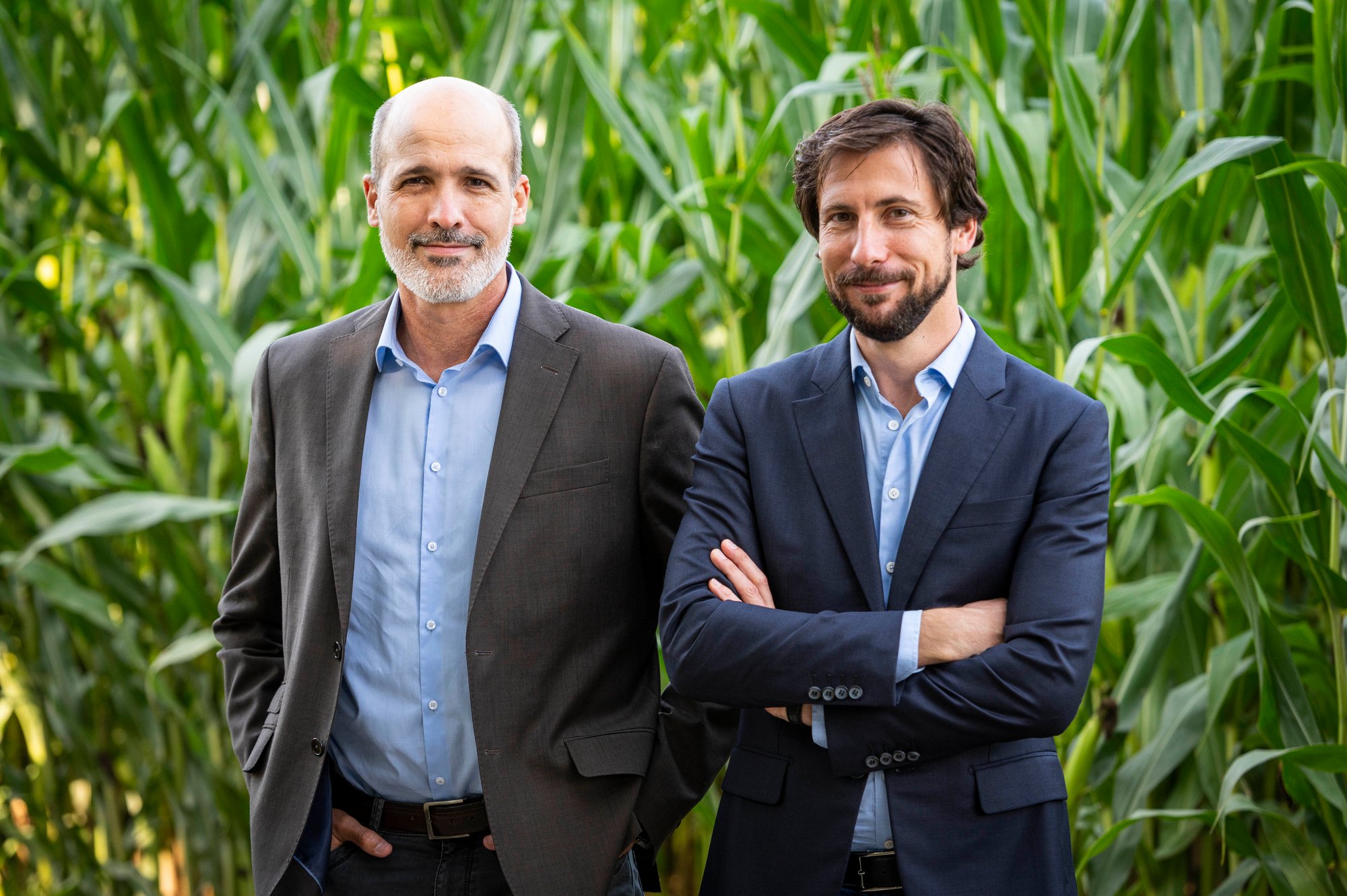
Guillaume Wegria and Juan-Carlos Cabrera, co-founders of Fyteko
(© Fyteko)
Fyteko has focused on products with a single active. What are the advantages of this approach?
We have made a deliberate choice to develop products based on a single, patented, and well-characterized active molecule. This allows us to fully understand its mode of action and to optimize its formulation, ensuring consistent, predictable performance in the field. This scientific precision translates into real-world results: our biostimulants,
NURSEED and NURSPRAY, have proven their performance - delivering up to 10% yield increase, with a success rate of approximately 80% across diverse crops and climates.
Unlike complex blends, our approach gives us scientific clarity. We know exactly how the molecule interacts with the plant, how it triggers stress responses, and how it behaves across different crops and climates. This is a huge advantage when it comes to obtaining regulatory approval, ramping up productionand building trust with seed companies, plant health and nutrition manufacturers and, of course, farmers.
With a single active, we can optimise formulation, dosage, timing, and application methods to match the specific needs and conditions of each crop and environment. It’s a cleaner, smarter, and more sustainable way to support crops, especially in the faceof climate change.
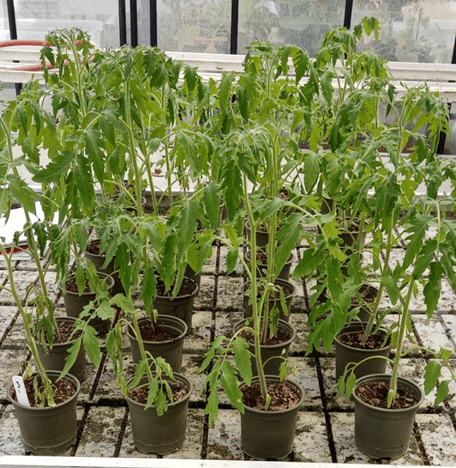
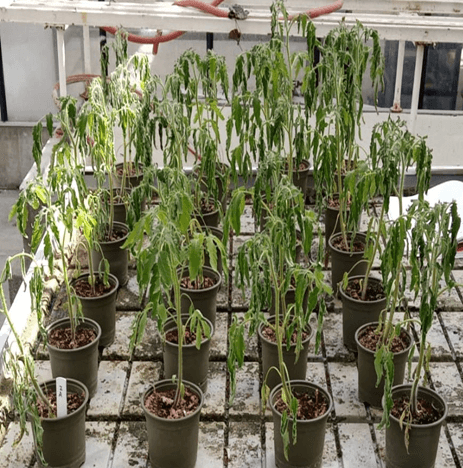
Untreated tomatoes (left) versus tomatoes treated with NURSPRAY HC (right)
How does your product/technology address water stress in crops? “Water stress is one of the biggest threats to crop productivity. Our technology is designed to address it.”
Our biostimulants are based on a Signal Molecule that activates the plant’s natural defense mechanisms before stress occurs. It’s not about feeding the plant; it’s about priming it to respond faster and more efficiently to drought or heat. Think of it as a kind of preventative resilience.
This priming effect helps maintain root development, photosynthesis, and yield stability even under limited water conditions. Farmers using our products have seen crops stay greener longer and recover faster after dry spells.
We are also going a step further. Right now, we are launching experimental trials to investigate whether our technology can improve water use efficiency—helping plants do more with less. If the data is confirmed, this could become a major new claim for our products, reinforcing their value in climate-smart farming.
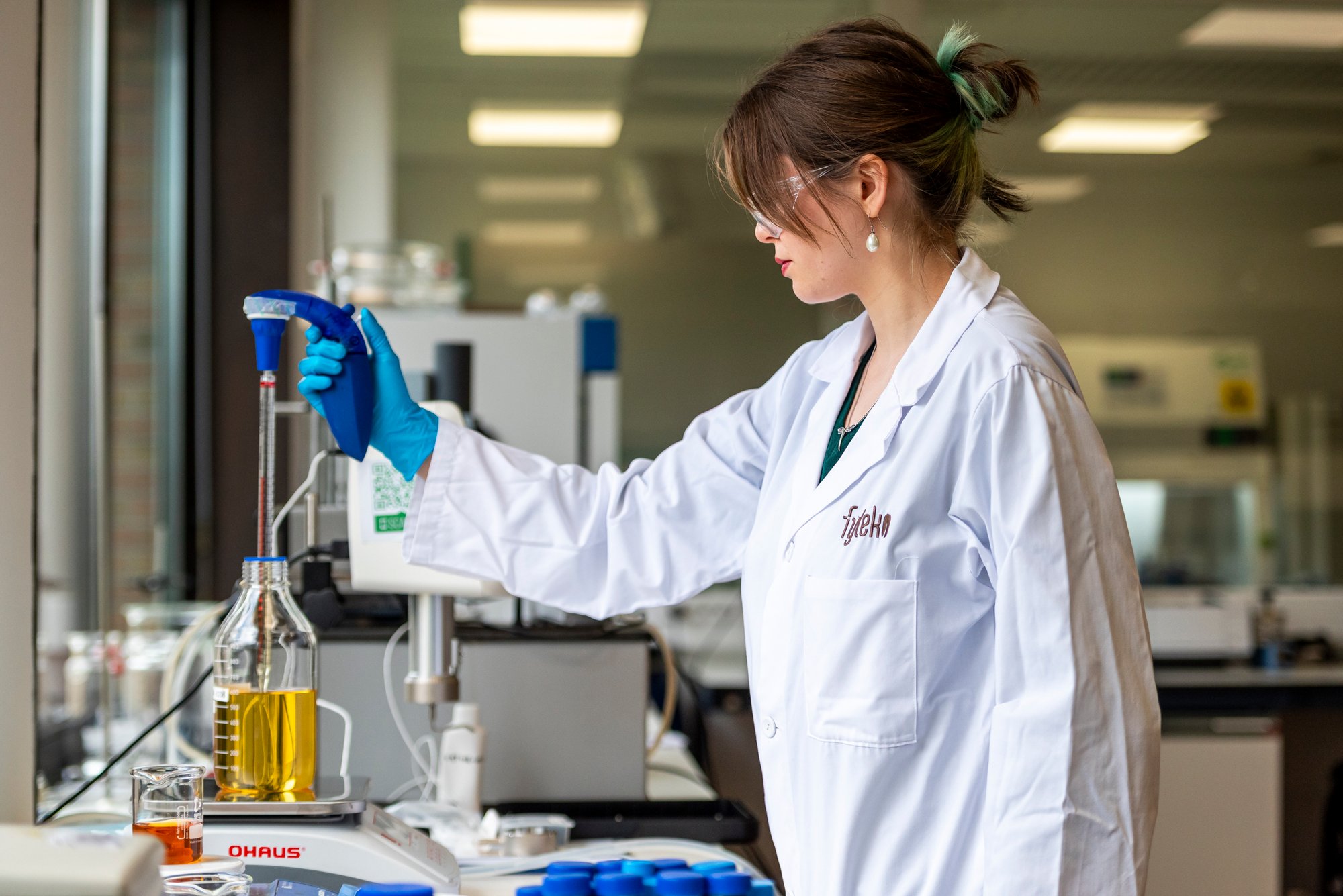
Formulation development(© Fyteko)
Fyteko has recently made a partnership in LATAM. What are the target markets for your product? “We go where the crops—and the challenges—are.”
Our recent partnerships in Latin America are part of a broader internationalization phase. We are targeting regions with large-scale row crops, where climate stress is already impacting yields and where there is a real demand for sustainable, science-based solutions.
Fyteko is already well established in Europe, where we have built long-term partnerships with trusted distributors and seed companies. Our products have shown positive, consistent impact in the field, helping farmers manage drought and improve crop resilience season after season.
Now, we are expanding into North America, where regulatory maturity and innovation-driven farming make it a natural fit. We are also starting to explore APAC markets like India and Australia, which are highly sensitive to water stress and climate volatility.
What makes a market suitable for Fyteko? It’s a mix of volume, value, and urgency—regions where crops are economically critical, climate risks are rising, and trusted local partners can help us scale responsibly. That’s where our Signal Molecule can make the biggest impact.
What’s in the pipeline? “We are unlocking nature’s potential—one molecule at a time.”
Fyteko is evolving into a bio-based discovery platform, focused on identifying powerful biomolecules that will drive the next generation of biostimulants and biopesticides. Our pipeline is built on proprietary, patent-protected compounds designed to deliver precision, sustainability, and performance.
One of our most recent innovations is a hydroxycinnamic polymer that acts as an herbicide
bioenhancer. It allows farmers to reduce herbicide doses by up to 50%, without compromising efficacy. It improves leaf retention, penetration, and even enhances performance against hard-to-control weeds—all while maintaining a favorable ecotoxicological profile.
Another exciting development is our biopesticide molecules. We believe these will go beyond what current biosolutions can deliver. The future of biocontrol will rely on combining antimicrobial activity with the activation of plant immune responses, offering robust protection against pathogens in a cost-effective and environmentally friendly way.
With strong R&D momentum and global expansion underway, Fyteko is building a pipeline that’s as ambitious as the challenges facing agriculture today. ●
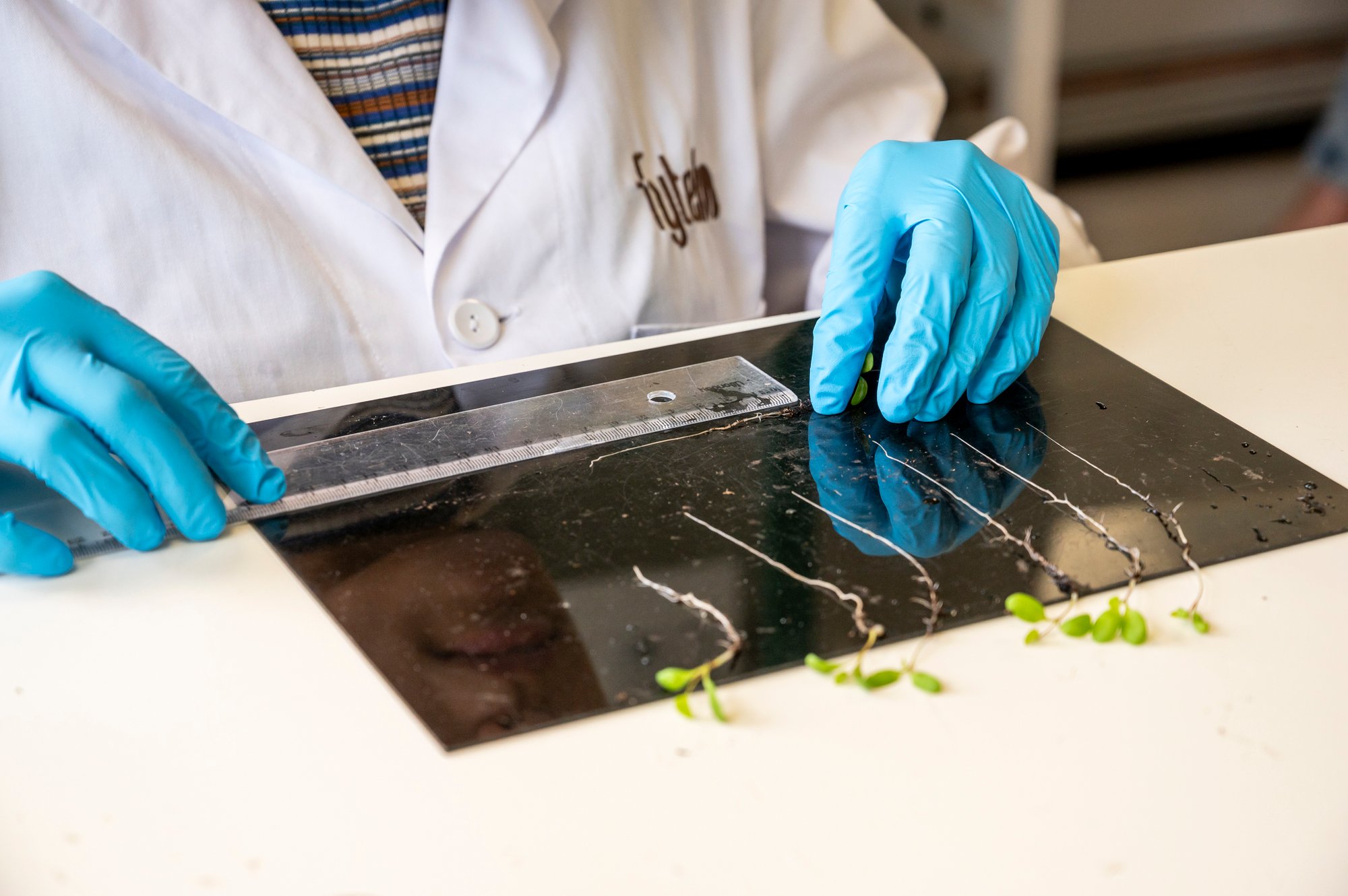
Biological testing